There’s something quietly profound about watching a product evolve from idea to impact. At Dellecod Software, we often say that building software is less about code and more about people — their needs, their habits, their assumptions. Every product we touch is layered with decisions based on not just what technology can do, but what people will find intuitive, useful, and maybe even a little delightful.
In reflecting on our recent experiences, one of the most resonant themes has been the gap between user expectation and product logic. It’s not that users are unpredictable — quite the opposite. They’re consistent in surprising ways. They will always cut corners, skip instructions, and use products not quite as we imagined. This might be frustrating at times, but it also offers a remarkable opportunity: to observe without judgment, and design with humility.
In one of our recent internal reviews, we walked through user session recordings — quiet minutes of someone clicking, hesitating, going back, misunderstanding, trying again. These moments are filled with data not captured in error logs or heatmaps. They show us where a label didn’t quite make sense or where visual hierarchy failed. More than anything, they show us how assumptions sneak into our work.
Take onboarding, for example. We’ve learned that what makes sense to us as builders — what feels "obvious" or “clean” — often requires too much from a first-time user. In one case, simplifying an onboarding step actually increased user activation by 17%. Not because the design looked better, but because it removed a moment of cognitive friction. 17% — not from a major feature, but from a small shift in empathy.
Another powerful insight has come from how users respond when things go wrong. Error states, empty screens, and system messages are often afterthoughts in software projects. They’re the last 10% of the build, tucked away during sprints. But these moments are deeply human. They represent confusion, uncertainty, even a moment of friction in someone’s day. When crafted with care, they become opportunities to build trust.
We started putting real language into our error handling and prompts — less jargon, more clarity. The result? A measurable uptick in support satisfaction, and a subtle but important shift: users stopped blaming themselves when something went wrong. Instead, they felt the product was on their side. That’s a quiet transformation, but it changes the whole tone of the experience.
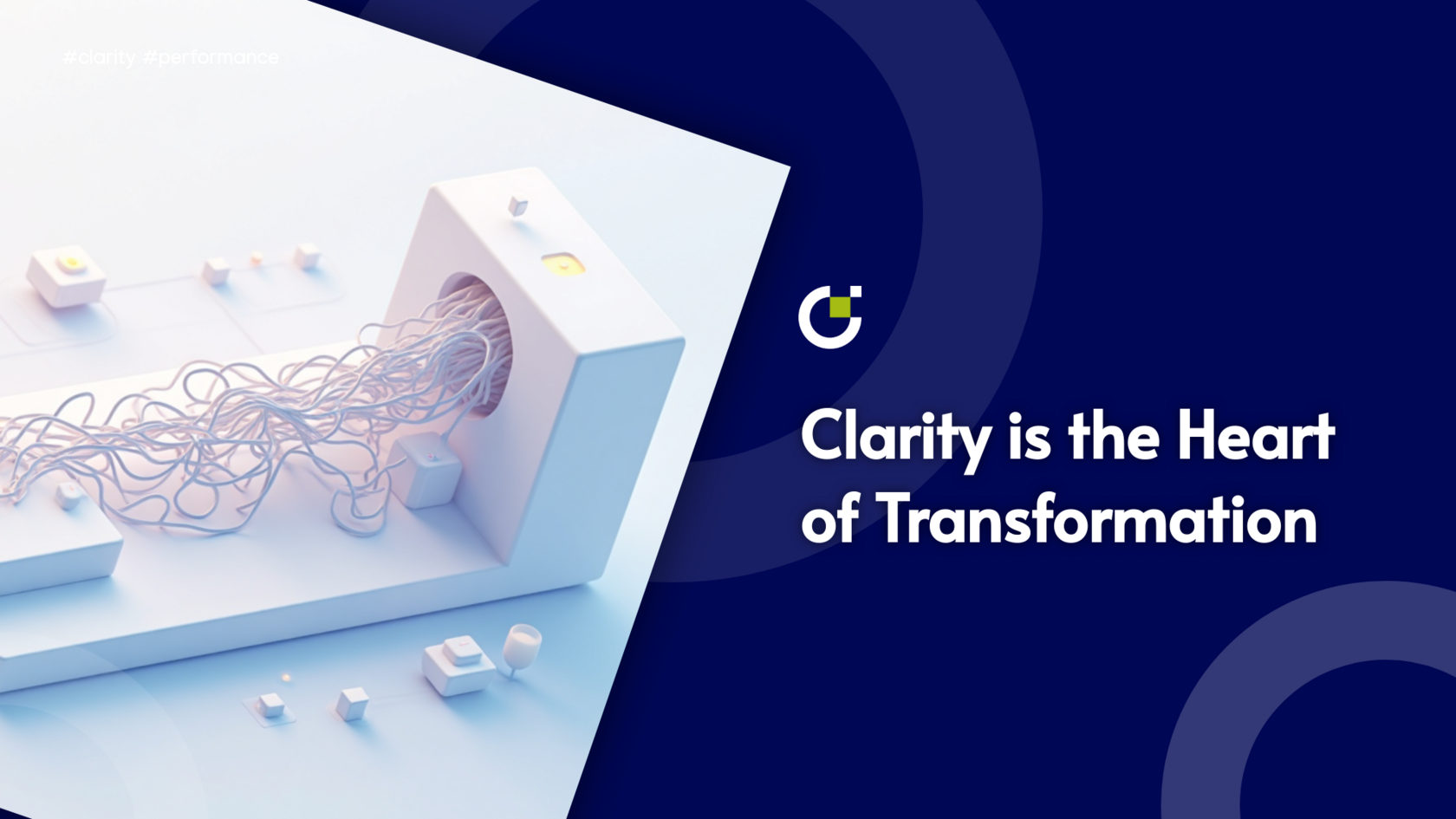
One of the recurring internal mantras on our team is: clarity over cleverness. This isn’t just a UX guideline; it’s a strategy. When users can move through a platform without having to second-guess, when they can complete what they came to do with minimal instruction — that’s a competitive edge no marketing can replace.
Which brings us to the more strategic layer: how product teams surf the tension between the roadmap and the reality of human behavior. We’re all working with constraints — time, budget, pressure to ship. It’s tempting to prioritize features over finesse, to focus on building new things instead of refining what already exists. But in the long term, user loyalty isn’t built on novelty. It’s built on reliability, usability, and a quiet sense that someone was paying attention when this product was made.
Watching users interact with your product is humbling. It’s also empowering. Every misstep or confusion is a signal. Every hesitation is a form of feedback. And each of those signals, treated seriously, is a guidepost for better design.
At Dellecod, we’re not claiming to have figured it all out. But we’re learning — and more importantly, listening. Because the best products aren’t the ones with the most features or the smartest architecture. They’re the ones that make people feel confident, competent, and understood.
That’s who we aim to build for. And that’s who we aim to become.
In reflecting on our recent experiences, one of the most resonant themes has been the gap between user expectation and product logic. It’s not that users are unpredictable — quite the opposite. They’re consistent in surprising ways. They will always cut corners, skip instructions, and use products not quite as we imagined. This might be frustrating at times, but it also offers a remarkable opportunity: to observe without judgment, and design with humility.
In one of our recent internal reviews, we walked through user session recordings — quiet minutes of someone clicking, hesitating, going back, misunderstanding, trying again. These moments are filled with data not captured in error logs or heatmaps. They show us where a label didn’t quite make sense or where visual hierarchy failed. More than anything, they show us how assumptions sneak into our work.
Take onboarding, for example. We’ve learned that what makes sense to us as builders — what feels "obvious" or “clean” — often requires too much from a first-time user. In one case, simplifying an onboarding step actually increased user activation by 17%. Not because the design looked better, but because it removed a moment of cognitive friction. 17% — not from a major feature, but from a small shift in empathy.
Another powerful insight has come from how users respond when things go wrong. Error states, empty screens, and system messages are often afterthoughts in software projects. They’re the last 10% of the build, tucked away during sprints. But these moments are deeply human. They represent confusion, uncertainty, even a moment of friction in someone’s day. When crafted with care, they become opportunities to build trust.
We started putting real language into our error handling and prompts — less jargon, more clarity. The result? A measurable uptick in support satisfaction, and a subtle but important shift: users stopped blaming themselves when something went wrong. Instead, they felt the product was on their side. That’s a quiet transformation, but it changes the whole tone of the experience.
One of the recurring internal mantras on our team is: clarity over cleverness. This isn’t just a UX guideline; it’s a strategy. When users can move through a platform without having to second-guess, when they can complete what they came to do with minimal instruction — that’s a competitive edge no marketing can replace.
Which brings us to the more strategic layer: how product teams surf the tension between the roadmap and the reality of human behavior. We’re all working with constraints — time, budget, pressure to ship. It’s tempting to prioritize features over finesse, to focus on building new things instead of refining what already exists. But in the long term, user loyalty isn’t built on novelty. It’s built on reliability, usability, and a quiet sense that someone was paying attention when this product was made.
Watching users interact with your product is humbling. It’s also empowering. Every misstep or confusion is a signal. Every hesitation is a form of feedback. And each of those signals, treated seriously, is a guidepost for better design.
At Dellecod, we’re not claiming to have figured it all out. But we’re learning — and more importantly, listening. Because the best products aren’t the ones with the most features or the smartest architecture. They’re the ones that make people feel confident, competent, and understood.
That’s who we aim to build for. And that’s who we aim to become.